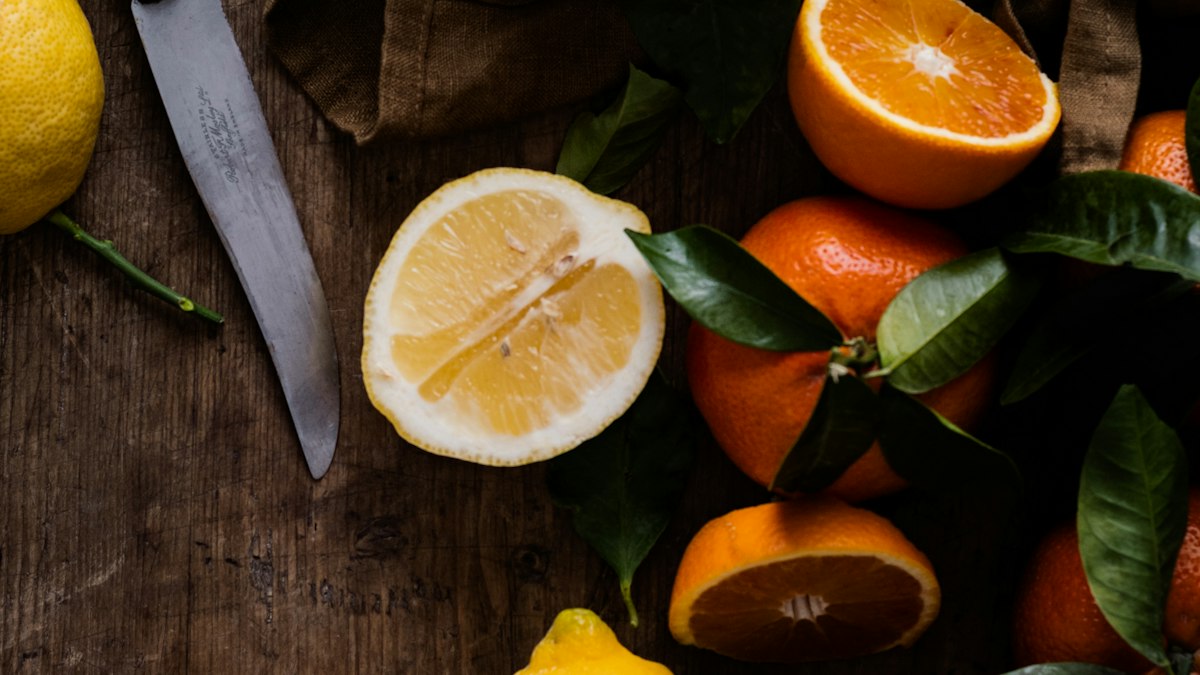
How do you pick a good orange? Pick it up. The best orange in the pile is the one that feels heavy for its size — that weight is juice, and no amount of glossy peel can fake it. The University of Minnesota puts it simply: choose citrus fruits that are firm and feel heavy for their size.
That one-second test matters most right now, because winter citrus season is just getting started. As the fall produce calendar winds down, oranges, mandarins, Cara Caras and grapefruit take over the produce aisle and stay through spring. This guide covers how to pick each one, when each variety peaks, and how to store and preserve your haul.
The Weight Test: Heavy Means Juicy
Citrus is mostly water. A fruit that has been off the tree too long, or that grew a thick, puffy rind, has less of it — and you can feel the difference before you ever cut it open. Between two oranges of the same size, the heavier one has more juice under the peel; the lighter one is more likely pithy or dry.
Here's the full 10-second checkout routine:
- Weigh it in your hand. Compare two similar-sized fruits and take the one that feels denser. This works for oranges, mandarins, and grapefruit alike.
- Squeeze gently. You want firm with a very slight give — no soft spots, no mushy patches near the stem end.
- Check the skin. Fine-textured, smooth peel is a good sign. Skip fruit with cuts, bruises, or shriveled, loose-feeling skin.
- Ignore small blemishes. Surface scarring and uneven color don't affect what's inside.
One more reason to choose carefully at the store: unlike bananas or avocados, citrus will not improve on your counter. As UF/IFAS Extension notes, citrus fruit does not ripen additionally after it is harvested. The orange you buy is as sweet as it will ever be.
Why Color Can Mislead You
Most shoppers reach for the deepest, most uniform orange in the display. That instinct feels right, but peel color is one of the least reliable signals in the citrus aisle.
The reason is a phenomenon called regreening. Citrus peel needs cool temperatures to break down its green chlorophyll and show that classic orange color. When mature fruit hangs on the tree into warm weather, the peel can start producing chlorophyll again — turning a fully ripe orange partially green on the outside. According to produce distributor FreshPoint, regreening is caused by heat, late-season varieties like the Valencia are especially prone to it, and it has no effect on flavor — some growers even claim that fruit with a greenish cast to the skin is often sweeter, because it spent longer on the tree concentrating sugars.
The same logic applies early in the season. UF/IFAS points out that early mandarin varieties like satsumas may be ready to eat before the skin turns completely orange, especially after a warm fall. A green-tinged peel can mean perfectly ripe fruit at either end of the season. Trust the weight test first.
PluckFresh Tip
Can't decide between two bags of mandarins? Scan them with PluckFresh's produce freshness scanner. The AI reads peel texture, blemishes, and signs of moisture loss that are easy to miss under grocery store lighting — and tells you which fruit is freshest and how long it should keep at home.
Winter Citrus Varieties and When They Peak
U.S. citrus is harvested from roughly October through June and is most plentiful in February, according to University of Missouri Extension. Within that window, each variety has its own arc.
Navel Oranges
The classic seedless snacking orange, easy to peel with a sweet, balanced flavor. Sunkist lists domestic navels as available from November through June, so the first good navels of the season land right as the holidays approach. They're the workhorse of the winter fruit bowl — great out of hand, in salads, or juiced.
Mandarins and Tangerines
Small, sweet, and famously easy to peel — the lunchbox heroes of the season. The Farmers' Almanac seasonal calendar lists tangerines and mandarins as winter produce across the southern United States, alongside oranges and grapefruit. Look for fruit that feels heavy and firm; slightly loose skin is normal for the variety, but avoid mandarins that feel hollow or papery.
Cara Cara Oranges
A navel with a rosy-pink interior and a berry-like sweetness, lower in acid than a standard navel. Per Sunkist, Cara Caras are in season from December through May — if you don't see them in early November, check back in a few weeks. That pink flesh shines in fruit salads and fresh juice.
Grapefruit
Winter is red grapefruit's home turf. Texas red grapefruit growers put the season at roughly October to April, with peak ripeness in December. The weight test matters most here: a heavy grapefruit is a juicy grapefruit, while a light one hides a thick rind and dry segments.
Counter or Fridge? Storing Your Citrus Haul
Citrus is forgiving compared to berries or stone fruit, but it still has a clock. The University of Minnesota guideline for oranges: about 5–7 days at room temperature, or up to 3 weeks in the refrigerator.
- Eating it this week? The counter is fine — and citrus is more aromatic and juicier-tasting at room temperature.
- Bought a big bag? Keep a few days' worth in the fruit bowl and refrigerate the rest in the crisper drawer, loose or in a mesh bag rather than sealed plastic, which traps moisture.
- Watch for the warning signs. Soft spots, wrinkling peel, or any fuzzy mold mean it's time to use the fruit immediately or let it go.
For a room-by-room breakdown of where everything else in your kitchen belongs, our produce storage chart covers counter, fridge, and pantry placement for dozens of fruits and vegetables.
Zest, Juice, and Freeze Before It Dries Out
Even refrigerated, citrus slowly loses moisture. If the fruit bowl is losing the race, preserve the good stuff before it fades:
- Zest first, always. Before juicing any orange or grapefruit, take the zest off with a fine grater — it holds the fruit's aromatic oils. Pack it into a small freezer container or bag and freeze it, ready to lift baked goods, dressings, and marinades all year.
- Juice the rest. Squeeze and freeze the juice for later. The National Center for Home Food Preservation recommends pouring citrus juice into containers immediately and packing it in glass jars to avoid off-flavors in the freezer.
- Freeze whole segments. NCHFP's method for citrus sections: peel, section, and remove membranes and seeds, then cover with cold syrup made with excess fruit juice or water before freezing.
Zero-Waste Tip
A grapefruit that's gone slightly soft is past its best for eating in segments, but usually still fine to juice. Squeeze it into ice cube trays, then transfer the cubes to a freezer bag — instant portions for dressings, spritzers, and marinades.
FAQ: Picking and Storing Winter Citrus
How do you pick a good orange?
Pick the orange up. A good orange feels firm and heavy for its size — that weight is juice. Compare two oranges of the same size and take the heavier one. Look for fine-textured skin with no soft spots, and don't worry about patches of green on the peel, which are usually harmless regreening rather than a sign of underripe fruit.
Are oranges with green skin ripe?
Often, yes. Fully ripe oranges can show green patches through a process called regreening, where warm weather causes the peel of already-mature fruit to produce chlorophyll again. It has no effect on the flavor inside — some growers say green-tinged fruit can even be sweeter because it hung on the tree longer. Judge by weight and firmness, not peel color.
Should you store oranges on the counter or in the fridge?
Both work — the difference is timeline. Oranges keep about 5 to 7 days at room temperature, and up to 3 weeks in the refrigerator. If you'll finish the bag within a week, the counter is fine (and the fruit is more fragrant at room temperature). Buying in bulk? Move most of it to the crisper drawer and keep a few days' worth out.
Do oranges ripen after you buy them?
No. Citrus fruit does not continue to ripen after it's harvested, so an orange is as sweet as it will ever be the day you buy it. That's why picking well at the store matters so much — a dry, light-for-its-size orange won't improve on your counter the way a hard peach or avocado would.
When are mandarins and tangerines in season?
Mandarins and tangerines are winter fruit. Seasonal produce calendars list them as in season through the winter months across the southern United States, and U.S. citrus overall is harvested from roughly October through June, with supply most plentiful in February. Late fall through winter is the sweet spot for easy-peeling mandarins.
Pick the Juiciest Fruit in the Pile — Every Time
PluckFresh's AI-powered produce scanner checks freshness in seconds and tells you how long your citrus will keep. Free for iOS.
Download PluckFresh