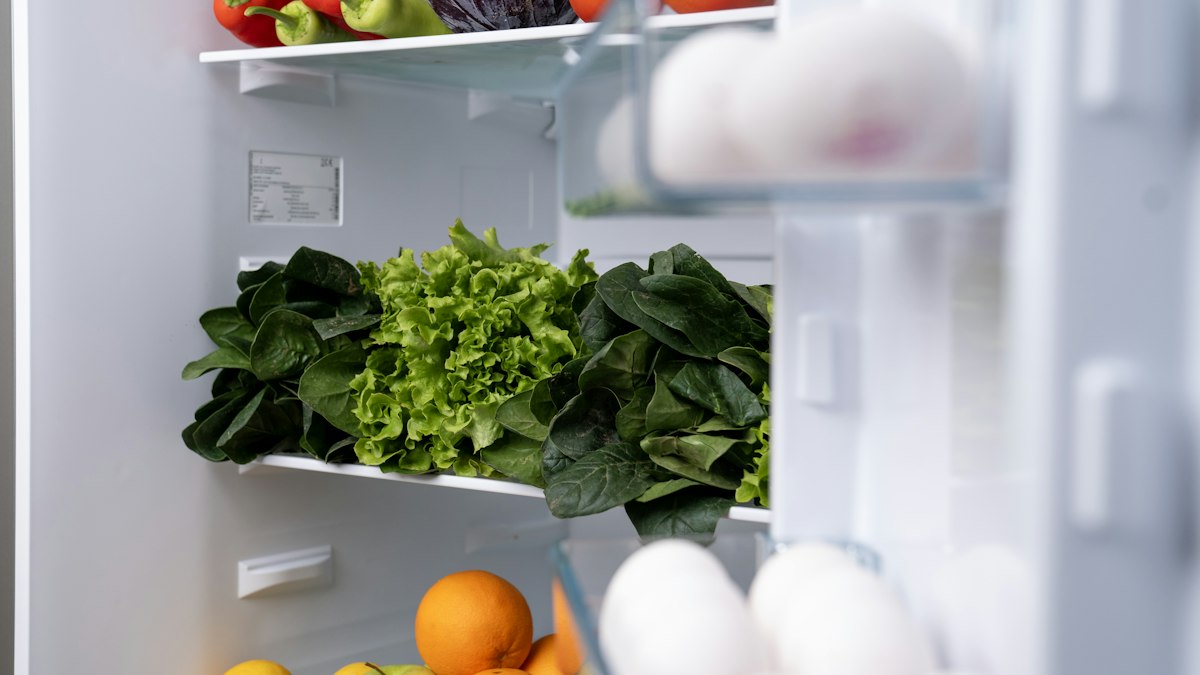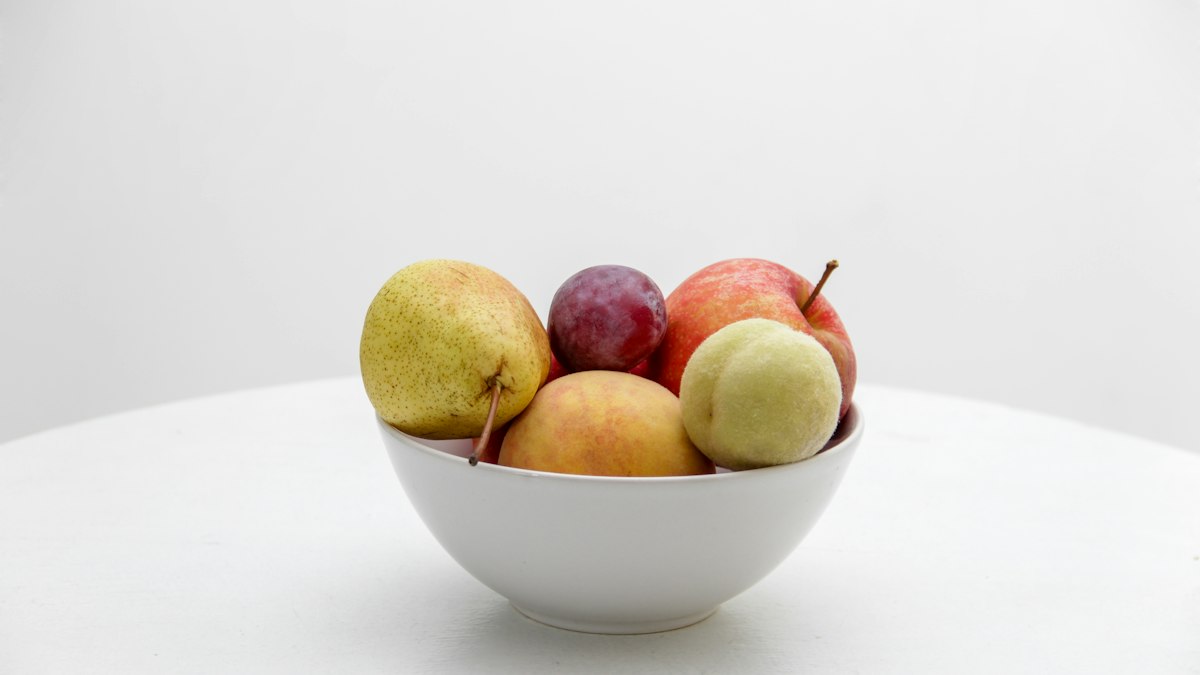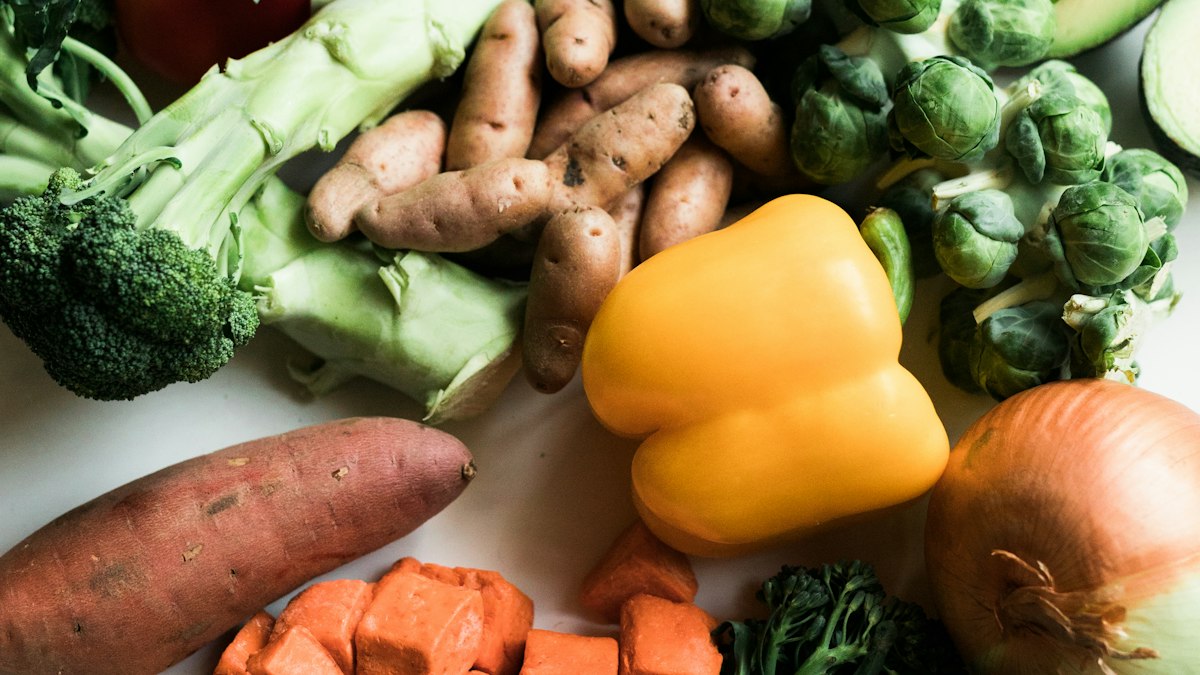
Here's how to store fruits and vegetables in one sentence: most vegetables go in the refrigerator crisper, fruit that still needs to ripen — peaches, avocados, pears, tomatoes — goes on the counter, and hardy staples like potatoes, onions, garlic, sweet potatoes, and winter squash belong in a cool, dark pantry. The trickier questions are how long each item actually lasts once it's in the right spot, and which neighbors quietly ruin it.
That's what the chart below answers. It covers 40 of the most common items in an American grocery cart, with every shelf-life figure drawn from the USDA FoodKeeper database and placement guidance from university postharvest researchers. With 30–40% of the U.S. food supply going to waste according to the USDA — and produce among the most-tossed categories — getting storage right is one of the simplest ways to stop throwing money away.
How to Read the Chart
The three locations mean specific things:
- Counter — room temperature, out of direct sunlight. This is where ripening happens. Several fruits follow a two-step pattern: ripen on the counter, then move to the fridge. The chart notes those.
- Fridge — ideally the crisper drawer, in a perforated (not sealed) plastic bag. The UC Davis Postharvest Technology Center recommends keeping fruits in one drawer and vegetables in another, because the ethylene gas that fruit releases damages vegetables. If you've never touched those humidity sliders on your drawers, our guide to crisper drawer settings explains which produce goes where.
- Pantry — a cool, dark, well-ventilated cupboard or basement shelf. Not the cabinet above the oven.
"Lasts about" is a quality window, not a safety cliff — it's how long the item stays at its best from the day you bring it home (or, for ripening fruit, from the day it turns ripe). And "keep away from" flags the classic sabotage pairings: ethylene-producing fruit next to sensitive vegetables, moisture on berries, light on potatoes. One honest caveat: a few chill-sensitive items like cucumbers, eggplant, and peppers sit in a gray zone — UC Davis leans toward room temperature for peak flavor, while USDA figures show they hold several days refrigerated. The chart uses the USDA numbers.
The Chart: 40 Fruits and Vegetables, Sorted
Fruits first, then vegetables, alphabetical within each group.
| Item | Where | Lasts about | Keep away from |
|---|---|---|---|
| Apples | Fridge (counter if eaten within a week) | 3 weeks counter; 4–6 weeks fridge | Everything else — big ethylene producer; give them their own drawer |
| Avocados | Counter, then fridge once ripe | 3–4 days once ripe | Ethylene-sensitive vegetables |
| Bananas | Counter | Until ripe; then 3 more days in fridge (skin darkens) | Other fruit — heavy ethylene producer |
| Blueberries | Fridge | 1–2 weeks | Moisture — wash just before eating |
| Cantaloupe | Counter until ripe, then fridge | 2–4 days counter; 5–15 days fridge | Ethylene-sensitive vegetables |
| Cherries | Fridge | 2–3 days | Moisture — wash at serving time |
| Citrus (lemons, limes, oranges, grapefruit) | Counter or fridge | 10 days counter; up to 3 weeks fridge | Direct sunlight on the counter |
| Grapes | Fridge | 1 week | Moisture — wash just before eating |
| Mangoes | Counter, then fridge once ripe | 3–5 days counter; about 1 week fridge | — |
| Peaches, nectarines & plums | Counter until ripe, then fridge | 3–5 days once ripe | Leafy vegetables — ethylene producers |
| Pears | Counter until ripe, then fridge | 3–5 days once ripe | Ethylene-sensitive vegetables |
| Pineapple | Counter until ripe, then fridge | 5–7 days | — |
| Pomegranates | Fridge | 2–5 days counter; 1–3 months fridge | — |
| Raspberries | Fridge | 2–3 days | Moisture — wash just before eating |
| Strawberries | Fridge | 2–3 days | Moisture — wash just before eating |
| Tomatoes | Counter — never the fridge | Until ripe, then about 7 days | The fridge; ethylene-sensitive vegetables nearby |
| Watermelon (whole) | Counter | 1–2 days counter; 3–4 days fridge | Apples, tomatoes & other ethylene producers — flesh softens |
| Asparagus | Fridge | 3–4 days | Ripening fruit (ethylene) |
| Broccoli | Fridge | 3–5 days | Apples, bananas, tomatoes — ethylene turns it yellow |
| Brussels sprouts | Fridge | 3–5 days | Ethylene producers — leaves yellow |
| Cabbage | Fridge | 1–2 weeks | Ethylene producers — yellows and cracks |
| Carrots | Fridge | 2–3 weeks | Apples & other ethylene producers — turn bitter |
| Cauliflower | Fridge | 3–5 days | Ripening fruit (ethylene) |
| Celery | Fridge | 1–2 weeks | Ripening fruit (ethylene) |
| Corn on the cob | Fridge | 1–2 days | — (eat fast; sweetness fades) |
| Cucumbers | Fridge | 4–6 days | Ripening fruit — they break down faster |
| Eggplant | Fridge | 4–7 days | Ripening fruit (ethylene) |
| Garlic (whole bulbs) | Pantry | 1 month | Moisture — needs dry, ventilated air |
| Green beans | Fridge | 3–5 days | Ripening fruit (ethylene) |
| Kale | Fridge | 3–5 days | Ripening fruit (ethylene) |
| Lettuce (iceberg, romaine) | Fridge | 1–2 weeks | Ripening fruit — keep in a separate drawer |
| Mushrooms | Fridge | 3–7 days | — |
| Onions | Pantry | 1 month (2 months fridge) | Damp spots — needs dry, circulating air |
| Peppers | Fridge | 4–14 days | Ripening fruit (ethylene) |
| Potatoes | Pantry | 1–2 months | Light (skin turns green & bitter) and the fridge |
| Radishes | Fridge | 10–14 days | Ripening fruit (ethylene) |
| Spinach & leaf lettuce | Fridge | 3–7 days | Ripening fruit (ethylene) |
| Sweet potatoes | Pantry | 2–3 weeks | The refrigerator — off flavors, hard center |
| Winter squash | Pantry | 2–6 weeks | — |
| Zucchini & summer squash | Fridge | 4–5 days | Ripening fruit (ethylene) |
Sources: Every figure in the “Lasts about” column comes from the USDA FoodKeeper database on FoodSafety.gov (also published as an open dataset). Counter/fridge/pantry placement follows the UC Davis Postharvest Technology Center storage chart together with FoodKeeper guidance. The ethylene producer list and the carrot, cabbage, Brussels sprouts, and cucumber effects come from Michigan State University Extension; broccoli yellowing and watermelon softening from University of Georgia Extension; potato greening and fridge effects from MSU Extension.
Save This Chart
Screenshot the table above and stick it on the fridge door — or keep it in your camera roll for the grocery store. It's built to be read in five seconds while you're holding a bag of peaches.
Five Storage Mistakes That Cost the Most
Forty rows is a lot to remember. If you fix only five habits, fix these — they account for an outsized share of tossed produce.
1. Refrigerating tomatoes
Cold air permanently dulls tomato flavor. UC Davis researchers note that pink tomatoes won't turn red in the fridge, and even fully ripe ones lose their flavor there. USDA FoodKeeper guidance is blunt: store tomatoes on the counter, where a ripe one keeps for about a week.
2. Keeping potatoes in the fridge — or in the light
Refrigeration converts potato starch to sugar, which makes potatoes taste oddly sweet and darken when cooked, according to MSU Extension. Light is the other enemy: it turns the skin green and bitter. A dark, ventilated pantry buys you one to two months.
3. Letting apples and bananas mingle with everything
Apples, bananas, avocados, peaches, and tomatoes are all heavy ethylene producers, per MSU Extension — and that gas is why the carrots next to your apples turn bitter and the broccoli goes yellow early. Fruit drawer, vegetable drawer, never the twain. The worst-offending pairs get their own deep dive in our guide to fruits and vegetables you should never store together.
4. Washing berries before storing them
Strawberries and raspberries last only two to three days refrigerated even under ideal conditions — added moisture shortens that further and invites mold. UC Davis food-safety guidance says to wash produce just before preparing or eating it, not before it goes in the fridge.
5. Sealing counter fruit in airtight bags
A sealed plastic bag on the counter traps carbon dioxide and starves ripening fruit of oxygen, producing off-odors and decay, per UC Davis. Use a vented bowl or a perforated bag on the counter, and perforated bags in the crisper — about 20 pin holes per bag does it.
What About Everything Else?
Forty items covers most carts, but not the dragon fruit experiment or the farmers-market kohlrabi. That's where PluckFresh picks up: scan any fruit or vegetable and the app grades its freshness on the spot. Your scan result includes storage advice for anything not on this list — where to keep it, roughly how long you have, and what to use it for at its current stage.
PluckFresh Tip
Ripening something on the counter and impatient? UC Davis suggests adding one ripe apple to a paper bag with 5–7 pieces of unripe fruit — its ethylene speeds things along. (Fuji and Granny Smith apples barely produce ethylene, so pick a different variety for the job.)
FAQ: Produce Storage Questions
Which fruits and vegetables should not be stored in the refrigerator?
Tomatoes, potatoes, sweet potatoes, onions, garlic, and winter squash all do better outside the refrigerator. Cold dulls tomato flavor, converts potato starch to sugar, and gives sweet potatoes off flavors and a hard center. Bananas and unripe stone fruit should also ripen on the counter first — refrigeration stops the ripening process.
How long do fruits and vegetables last in the refrigerator?
It varies enormously. According to USDA FoodKeeper data, delicate items like strawberries, raspberries, and asparagus last only 2–4 days, most vegetables last 3–7 days, hardy items like cabbage and celery last 1–2 weeks, carrots last 2–3 weeks, and apples can last 4–6 weeks refrigerated.
What is ethylene and why does it matter for produce storage?
Ethylene is a natural ripening gas released by many fruits, including apples, bananas, avocados, peaches, and tomatoes. Ethylene-sensitive vegetables stored nearby deteriorate faster: carrots turn bitter, cabbage and Brussels sprouts yellow, broccoli yellows, and cucumbers break down. Keeping fruit and vegetables in separate refrigerator drawers minimizes the damage.
Should you wash fruits and vegetables before storing them?
No. Wash whole produce just before you prepare or eat it, not before you store it. Added moisture speeds up decay, which matters most for delicate items like berries that only last a few days refrigerated. The exception is pre-washed bagged greens, which don't need rewashing.
Storage Advice for Anything You Scan
PluckFresh's AI scanner grades freshness and tells you where to store it, how long you have, and what to make with it. Free for iOS.
Download PluckFresh