Which fruits and vegetables should never be stored together? The short answer: keep high-ethylene fruits — apples, avocados, bananas, cantaloupe, kiwi, peaches, pears, and tomatoes — away from ethylene-sensitive produce like leafy greens, broccoli, cucumbers, carrots, and Brussels sprouts. And keep onions and potatoes in separate bins, because each one shortens the other's shelf life.
If your spinach keeps wilting days early or your potatoes sprout eyes before you can use them, the culprit usually isn't the fridge or the store. It's an invisible gas called ethylene, and one wrong pairing on your counter or in your crisper is enough to sabotage a whole week of groceries. Here's how it works — and the handful of pairings worth memorizing.
What Is Ethylene, in Plain Language?
Ethylene is a gas that certain fruits and vegetables release naturally as they ripen. Think of it as a chemical announcement: “I'm ripening — you should too.” As the UC San Diego Center for Community Health explains, ethylene causes produce to ripen faster, and items that are sensitive to it can spoil more quickly when they're stored next to items that produce it.
Registered dietitian Avery Zenker, quoted in Southern Living's guide to produce pairings, puts it simply: ethylene is “a gas naturally produced by fruits over time as they ripen,” and it can affect the ripening and spoilage of everything nearby — activating enzymes that break down starch, soften flesh, shift colors, and release aroma.
One more piece of vocabulary makes the whole system click: climacteric fruits are the ones that keep ripening after harvest, driven by their own ethylene production. According to Iowa State University Extension, this group includes apples, pears, peaches, bananas, avocados, mangoes, and cantaloupe — which is why those exact fruits show up again and again on “keep these apart” lists.
High Ethylene Producers: The Usual Suspects
The UC San Diego Center for Community Health's ethylene guide lists these as the big producers:
- Apples — one classic reason a fruit bowl over-ripens all at once
- Avocados — produce ethylene and respond to it, softening fast
- Bananas — among the strongest emitters in your kitchen
- Cantaloupe — keeps pumping out gas even in the fridge
- Kiwi — ripens quickly and pushes neighbors along
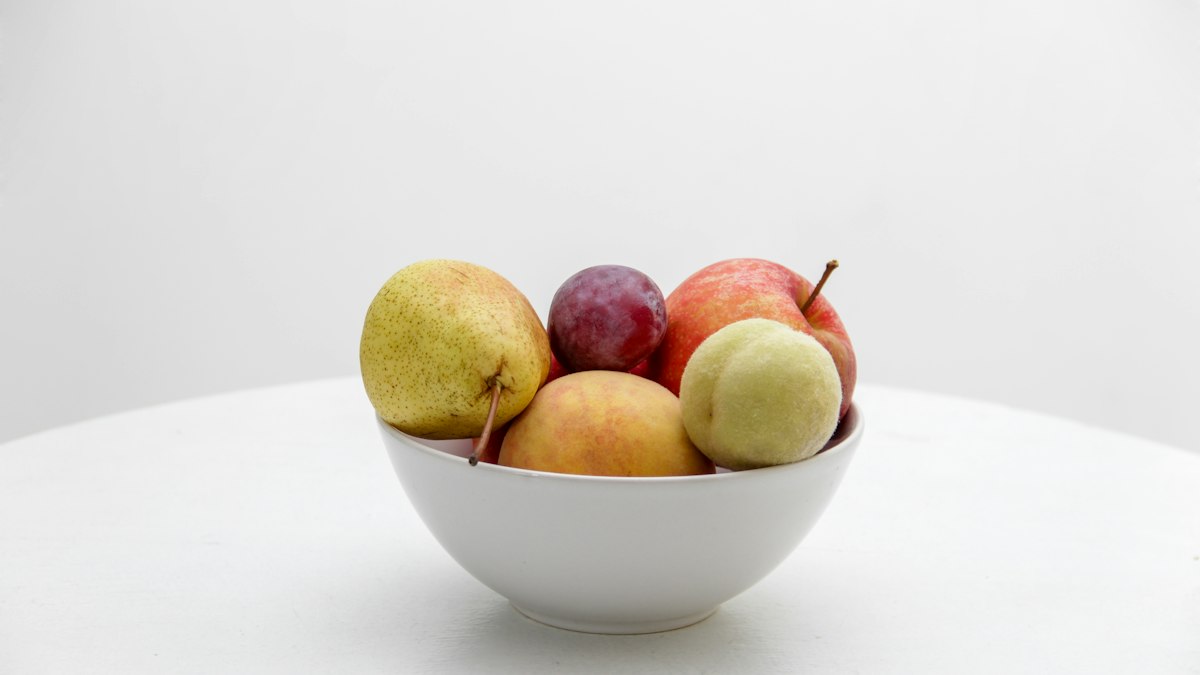
- Peaches and pears — classic climacteric stone and pome fruits
- Tomatoes — botanically a fruit, and a real ethylene source on the counter
Here's the twist most people miss: many producers are also sensitive to ethylene. On the UC San Diego list, apples, bananas, avocados, and peaches appear in both columns. That's why one very ripe banana can drag the whole bunch — and every apple next to it — toward brown. If you want to see exactly how that plays out stage by stage, our banana freshness guide walks through the full green-to-brown timeline.
The most famous mistake in this category is parking bananas next to avocados in one bowl. Both produce ethylene, avocados respond to it strongly, and the result is guacamole-soft avocados days ahead of schedule. Unless you're deliberately rushing them (more on that below), give avocados their own spot — and use our avocado ripeness guide to catch them at their creamy peak.
Ethylene-Sensitive Produce: Keep These Far Away
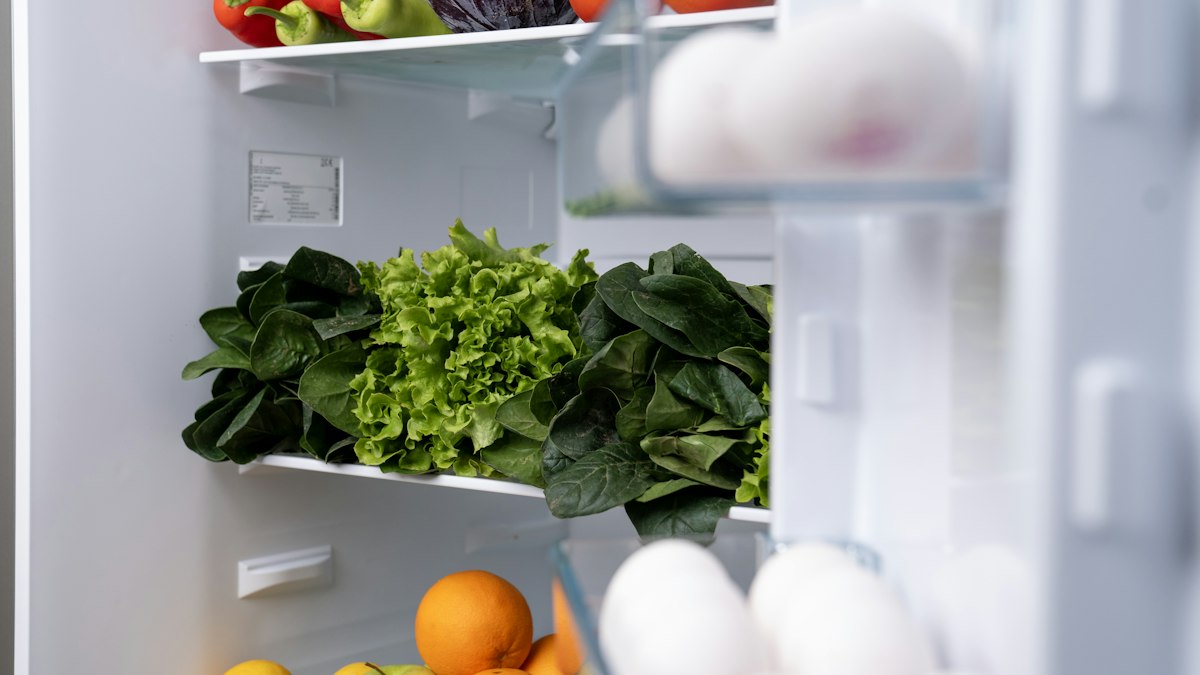
On the other side of the equation are the vegetables that suffer when ethylene drifts their way. The UC San Diego list flags broccoli, cucumbers, lettuce, and collard greens among the sensitive group, and dietitian Avery Zenker's list in Southern Living adds more everyday staples:
- Leafy greens (lettuce, spinach, kale) — yellow and wilt early
- Broccoli — florets yellow and turn bitter
- Cucumbers — go soft and pitted well before their time
- Carrots — can develop a bitter flavor
- Brussels sprouts — along with cabbage and cauliflower, shed quality fast
The fix is physical separation. Keep fruit in one crisper drawer and vegetables in the other, and keep counter fruit bowls away from anywhere you stash greens. Your refrigerator's drawers are genuinely designed for this split — our guide to crisper drawer humidity settings explains which drawer gets the high-humidity setting (vegetables) and which gets low (most fruit), so the ethylene vents away instead of building up.
PluckFresh Tip
Not sure whether that avocado or those pears are ripening faster than planned? Scan them with PluckFresh's AI freshness scanner. It reads the visual signs of ripening in seconds and tells you what to eat first — so an ethylene surprise becomes tonight's dinner instead of next week's compost.
Onions and Potatoes: Keep Them Apart (Yes, Really)
The onion-and-potato bin feels like kitchen tradition, but it's a slow-motion spoilage machine, and each vegetable does damage in its own direction.
Potatoes hurt onions with moisture. The National Onion Association is unambiguous: “Do not store onions with potatoes or other produce items that release moisture.” Onions want a cool, dry, well-ventilated spot — trapped humidity from a bag of potatoes softens them and invites mold.
Onions hurt potatoes by waking them up. As Martha Stewart's produce storage guide notes, storing onions and potatoes together hastens the process that leads potatoes to “grow eyes and sometimes roots.” A sprouting potato is a potato burning through its own starch reserves — softer, wrinklier, and shorter-lived.
Store both in the dark, but in separate, ventilated containers with some distance between them. Darkness matters for potatoes beyond sprouting: Clemson University's Home & Garden Information Center warns that potatoes exposed to light turn green, develop a bitter flavor, and produce a toxic compound — another reason the airy, dark pantry corner beats the countertop.
Using Ethylene on Purpose: The Paper-Bag Ripening Trick
Everything that makes ethylene a storage villain also makes it a useful tool — you just have to aim it. When you want fruit to ripen quickly, trap the gas instead of venting it.
- Put the unripe fruit in a paper bag. Paper breathes, so moisture escapes while ethylene stays concentrated. Plastic traps moisture and risks rot instead of ripeness.
- Add a booster. Iowa State University Extension notes that a peach will ripen faster in a paper bag with a ripe banana — the banana's ethylene does the work.
- Fold the bag loosely closed and wait. For a rock-hard avocado, the Hass Avocado Board says a paper bag with an apple or banana typically delivers a ripe avocado in about two to three days.
- Check daily. Concentrated ethylene works fast, and the line between “perfectly ripe” and “past it” can be a single day.
Pro Tip
The trick only works on climacteric fruit — avocados, bananas, peaches, pears, kiwi, mangoes. Strawberries, grapes, and citrus don't ripen after picking, so bagging them just shortens their life. When in doubt, scan it before you bag it.
FAQ: Storing Fruits and Vegetables Together
Which fruits should not be stored together?
Keep high-ethylene fruits — apples, avocados, bananas, cantaloupe, kiwi, peaches, pears, and tomatoes — away from ethylene-sensitive produce like leafy greens, broccoli, cucumbers, carrots, and Brussels sprouts. The gas the first group releases speeds ripening and spoilage in the second group. Ethylene producers stored next to each other will also push one another to ripen faster.
Can you store bananas and avocados together?
Only if you want the avocados ripe fast. Bananas are one of the strongest ethylene producers, and avocados respond to ethylene by softening quickly. Side by side in a fruit bowl, both will race toward overripe. Keep them apart for everyday storage, or deliberately bag them together when you need an avocado ready in a day or two.
Why shouldn't onions and potatoes be stored together?
Potatoes release moisture that makes onions soften and spoil faster — the National Onion Association specifically advises against storing onions with potatoes. Meanwhile, gases from onions encourage potatoes to sprout eyes sooner. Give each its own cool, dark, well-ventilated spot, ideally a few feet apart.
Does the paper bag trick really ripen fruit faster?
Yes. A loosely closed paper bag traps the ethylene a fruit naturally releases, concentrating it and speeding ripening, while still letting moisture escape so the fruit doesn't rot. Adding a ripe banana or an apple boosts ethylene levels further — a hard avocado typically ripens in about two to three days this way.
Should ethylene-sensitive vegetables go in the crisper drawer?
Yes — the crisper is the best defense. Store leafy greens, broccoli, carrots, and cucumbers in a high-humidity crisper drawer, and keep ethylene-producing fruits in a separate drawer or on a counter away from the fridge's airflow. Physical separation plus the right humidity setting is what keeps vegetables crisp longest.
Catch Ripening Before It Becomes Spoilage
PluckFresh's AI-powered scanner reads your produce's freshness in seconds and tells you what to eat first. Free for iOS.
Download PluckFresh