The smartest way to handle the produce side of your Thanksgiving grocery list is to split it into three trips: buy the long keepers — winter squash, potatoes, onions, sweet potatoes, and cranberries — about two weeks out, sturdy vegetables like Brussels sprouts, carrots, and celery one week out, and fresh herbs and leafy greens just two days before the meal. With Thanksgiving 2026 landing on Thursday, November 26, that means a big trip around November 12–14, a second pass the following weekend, and a quick final run on Tuesday or Wednesday.
This staggered approach isn't only about dodging the crowds on the day before Thanksgiving (though that alone is worth it). Each item on the classic menu has a very different shelf life, and buying inside each item's ideal window means everything hits the table at peak quality. Conveniently, all of it is genuinely in season: the Farmers' Almanac seasonal produce guide lists cranberries, sweet potatoes, winter squash, and Brussels sprouts among fall's staple crops. For a broader look at what's at its best right now, see our fall produce calendar for October through December.
Two Weeks Out: Stock Up on the Long Keepers (November 12–14)
These are the items that store happily for weeks — some for months — given a decent spot at home. Buying them early gets you better selection, calmer stores, and spreads the holiday grocery bill across two paychecks.
Winter squash
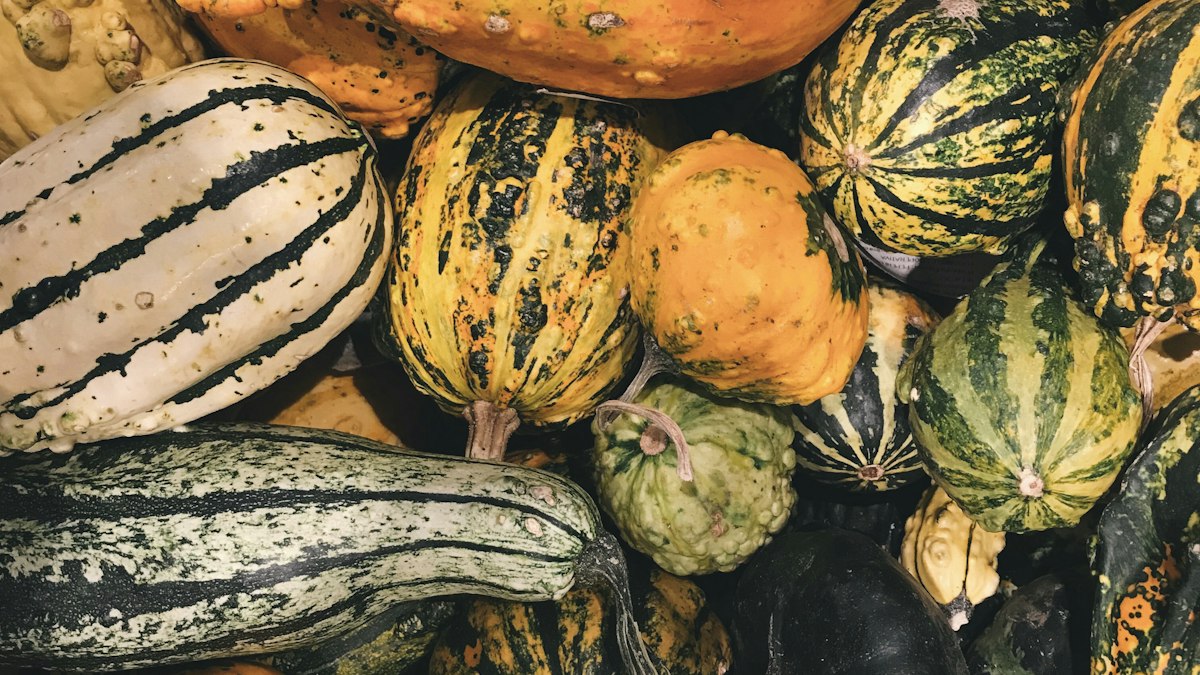
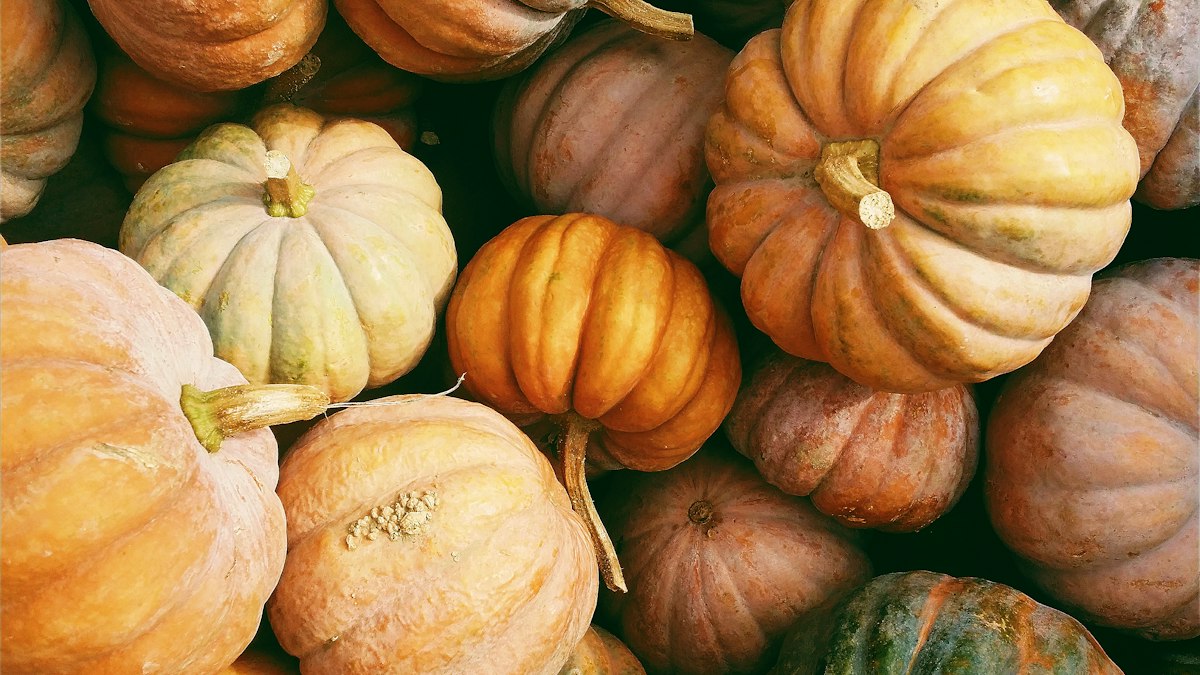
Whole butternut, acorn, and kabocha squash are built for storage. According to Iowa State University Extension, butternut squash keeps for roughly 2 to 3 months and acorn squash for 5 to 8 weeks in a cool, dry, well-ventilated spot around 50–55°F — think pantry or basement, not refrigerator. If you're not sure how to choose one at the store, our guide to picking a good butternut squash walks through it.
Potatoes and onions
Per Michigan State University Extension, potatoes stay fresh for up to a month in a cool (45–50°F), dark place with good ventilation, and onions kept in cool, dry conditions can last anywhere from 1 to 8 months. Two weeks is well within either window, so grab your mashing potatoes and stuffing onions now.
Sweet potatoes
Sweet potatoes are long keepers too, with one catch: never refrigerate them raw. MSU Extension's sweet potato factsheet says to store them unwrapped in a cool (55–60°F), dry, dark place, where they'll keep for up to two months — versus only about a week at room temperature. A cool closet or basement shelf beats the kitchen counter.
Fresh cranberries
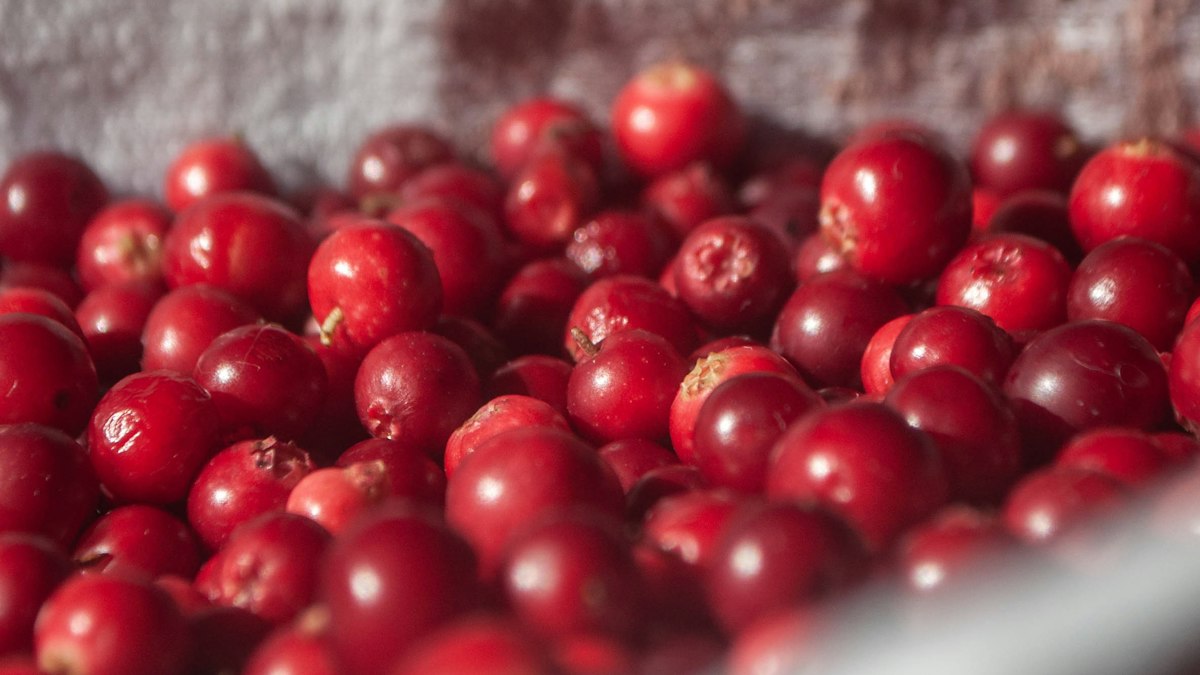
Surprised to see the most delicate-looking item on the early list? Fresh cranberries are tougher than they look. Penn State Extension says they're usually good for two weeks in the refrigerator, and can last up to four weeks kept in their original packaging in the crisper drawer. Even better: bags of cranberries can go straight into the freezer for up to twelve months and be used without thawing. Buy two bags in mid-November — one for the sauce, one frozen for December baking.
Storage Tip
Keep your winter squash away from the fruit bowl. Iowa State Extension notes that ripening fruit like apples and pears gives off ethylene gas, which shortens how long squash lasts in storage. A separate shelf is all it takes.
One Week Out: The Sturdy Vegetables (November 19–22)
The weekend before Thanksgiving is the time for refrigerator-hardy vegetables — things that hold their quality for days in the crisper but wouldn't love a two-week wait.
- Brussels sprouts: Store them unwashed in a sealed bag in the refrigerator. One caveat from the University of Arkansas Extension: their flavor starts to turn unpleasantly strong after three or four days, so if you're sensitive to that cabbagey edge, shop the later end of this window — or bump sprouts to your final trip.
- Carrots: Comfortable buying a week ahead. MSU Extension recommends keeping them in perforated plastic bags in the crisper at 41°F or lower, where they stay crisp for several weeks.
- Celery: A crisper-drawer workhorse for stuffing and the relish tray. Sturdy stalks hold up well across the week — look for tight, firm bunches with fresh-looking leaves.
This trip is also a good moment to restock anything from the two-weeks-out list that got eaten early. It happens.
Two Days Out: Herbs and Greens (November 24–25)
Save the most perishable items for last. Fresh sage, thyme, rosemary, and parsley — the backbone of stuffing and gravy — along with any salad greens fade fast compared to everything else on the list. Buy them Tuesday or Wednesday, refrigerate them as soon as you're home, and they'll be at their aromatic best when it counts. This final quick trip is also your last chance to swap anything that didn't survive storage.
PluckFresh Tip
Scan your haul the day before. On Wednesday, run your squash, sprouts, sweet potatoes, and herbs through the PluckFresh freshness scanner. If anything scores poorly, you still have time to swap it before stores close — instead of discovering a soft spot mid-recipe on Thursday.
How to Pick the Trickier Items
Potatoes and onions are hard to get badly wrong. These three trip people up.
Cranberries
Look for berries that are brightly colored with smooth, glossy, firm skin, and skip bags with shriveled, soft, or blemished berries, per Penn State Extension. Their classic test: a fresh cranberry will bounce when dropped, thanks to the air chambers inside the fruit. (Farmers really did once sort cranberries this way.)
Sweet potatoes
MSU Extension recommends choosing sweet potatoes that are firm, plump, and blemish-free, with a bright, uniform color and no sign of decay. Picking roots of similar size also helps them roast evenly.
Brussels sprouts
The University of Arkansas Extension says to select sprouts that are small and firm with compact, bright green heads — smaller sprouts are sweeter and more tender. Avoid any that are soft, wilted, puffy, or dull, or that have loose or yellowing leaves.
The Condensed List: Your Three-Trip Plan
Here's the whole timeline in one place — screenshot it or jot it on the fridge.
Trip 1 — Two Weeks Out (Nov 12–14)
- Butternut and acorn squash
- Potatoes (russet for mashing, plus roasters)
- Yellow onions
- Sweet potatoes
- Fresh cranberries (two bags — freeze one)
Trip 2 — One Week Out (Nov 19–22)
- Brussels sprouts (later in the window is better)
- Carrots
- Celery
Trip 3 — Two Days Out (Nov 24–25)
- Fresh sage, thyme, rosemary, parsley
- Salad and leafy greens
- Swaps for anything that didn't keep
One last list worth making before Thursday: a leftovers plan. Buying at the right time keeps food from going bad before the meal — our guide to wasting less this Thanksgiving covers what happens after it.
FAQ: Thanksgiving Produce Shopping Questions
How far in advance can you buy fresh cranberries for Thanksgiving?
About two weeks. Penn State Extension says fresh cranberries are usually good in the refrigerator for two weeks, and can last up to four weeks stored in their original packaging in the crisper drawer. If you spot a good deal even earlier, freeze them — frozen cranberries keep for up to twelve months and can go straight into recipes without thawing.
Should you refrigerate sweet potatoes before Thanksgiving?
No. Michigan State University Extension advises against refrigerating raw sweet potatoes. Store them unwrapped in a cool (55–60°F), dry, dark place, where they keep for up to two months, or at room temperature for up to a week. That makes them a safe two-weeks-out purchase.
How long will a whole butternut squash keep at home?
Roughly two to three months in a cool, dry, well-ventilated spot around 50–55°F, according to Iowa State University Extension. Acorn squash is shorter-lived at about five to eight weeks. Keep squash away from ripening fruit like apples and pears, which release ethylene gas that shortens storage life.
When should you buy fresh herbs for Thanksgiving?
One to two days before you cook. Fresh herbs and leafy greens are the most perishable items on a Thanksgiving produce list, so save them for a short final trip on the Tuesday or Wednesday before the holiday and refrigerate them as soon as you get home.
Shop Early, Serve Fresh
PluckFresh's AI freshness scanner checks your Thanksgiving haul in seconds — so nothing goes soft before the big day. Free for iOS.
Download PluckFresh