Thanksgiving food waste is enormous: ReFED, the nonprofit that tracks U.S. food waste, estimated in 2025 that about 320 million pounds of food — worth roughly $550 million — gets thrown away over the holiday. The fix isn't cooking less generously; it's having a plan for the food before the day arrives. Shop to your real headcount, decide what the leftovers will become before you cook them, send food home with guests, and freeze the rest.
That's the whole strategy. Below, each step in detail — plus the verified numbers behind why it matters.
The Size of the Problem: What Actually Gets Wasted
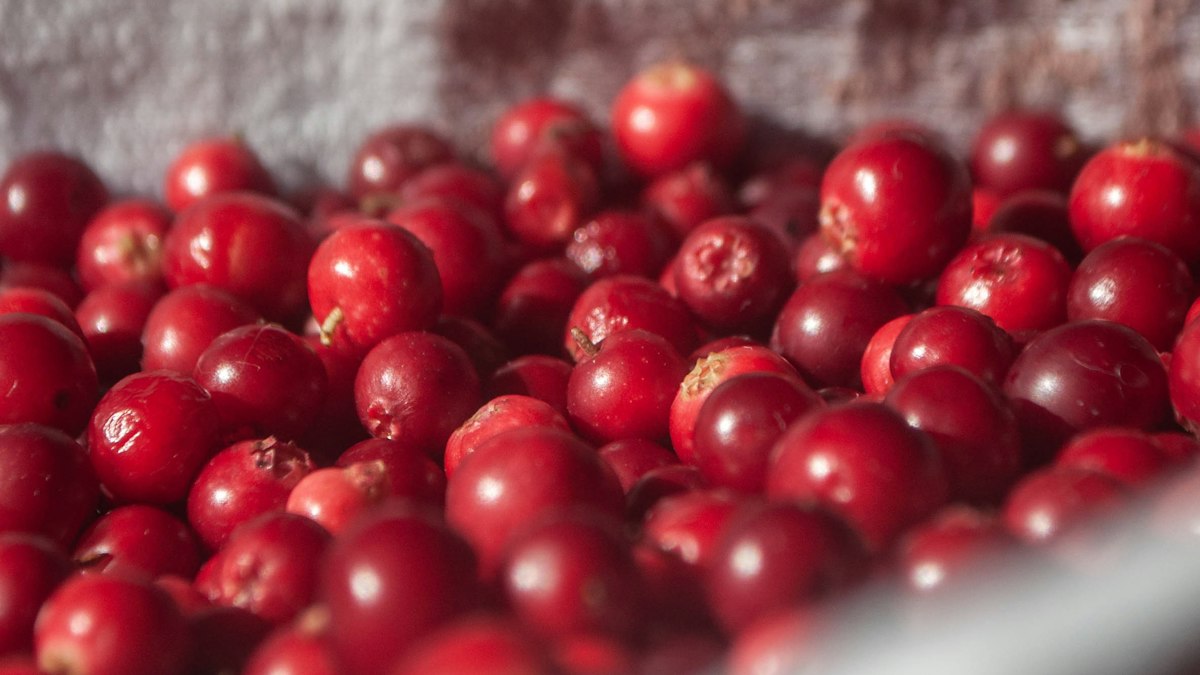
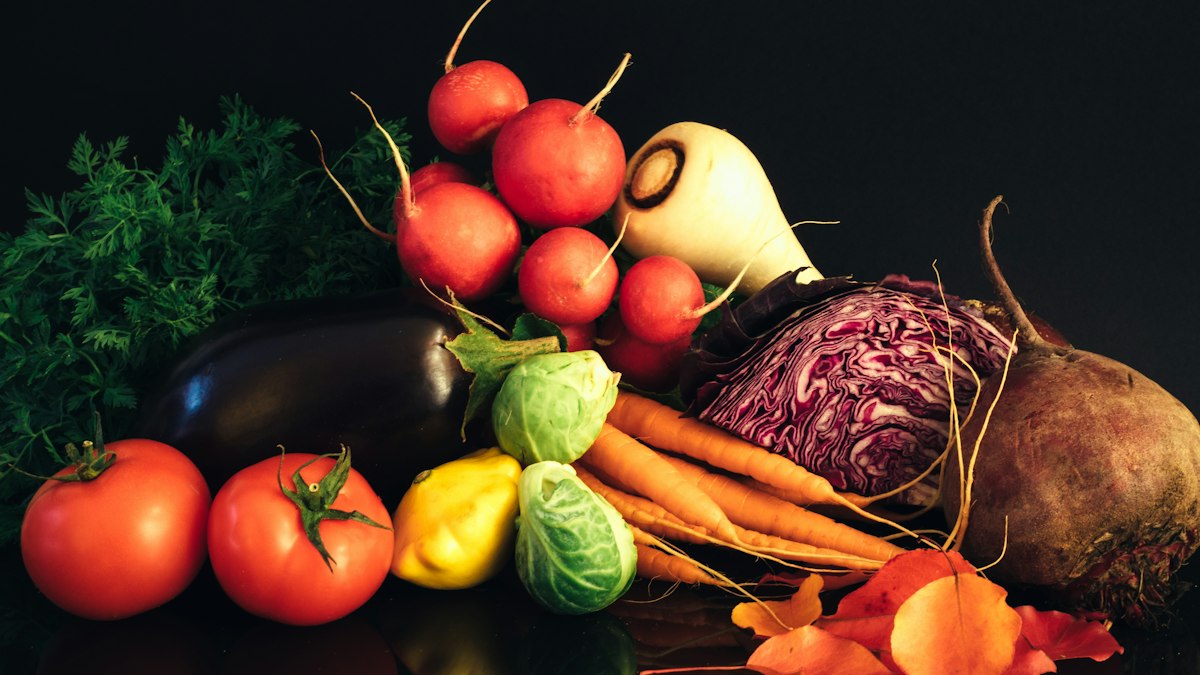
In its November 2025 analysis with NielsenIQ, ReFED estimated that the 320 million pounds of food wasted over Thanksgiving is the equivalent of 267 million meals that could have gone to people in need. And fresh produce is a big slice of it: roughly 23% of the total, or about 75 million pounds, according to ReFED figures reported by The Packer — the green beans, potatoes, sweet potatoes, carrots, and cranberries that fill out the table.
The most telling number, though, is about behavior. According to the same NielsenIQ and ReFED survey, more than 90% of Thanksgiving hosts intentionally prepare more food than they need — and every single host surveyed said they end up with leftovers. Yet 12% of hosts don't plan to manage those leftovers in any special way. In other words: the leftovers are guaranteed. The plan usually isn't. That gap is where most of the waste happens.
Abundance is the point of Thanksgiving — the goal isn't smaller portions, it's making sure the extra food gets eaten instead of scraped into the trash on Sunday night. For the bigger picture beyond the holidays, we've covered how much food Americans waste year-round and how to stop.
Step 1: Plan Portions by Headcount
Most Thanksgiving over-buying happens because we shop for a feeling ("enough for an army") instead of a number. So start with the number: confirm your RSVPs, count adults and kids separately, and write the headcount at the top of your shopping list.
For the turkey, University of Missouri Extension recommends 1 pound of whole turkey per person if you want leftovers — and about 3/4 pound per person if you don't. A 12-person dinner needs a 12-pound bird, not the 20-pounder that catches your eye — and remember that a whole bird's weight includes bones.
For sides, a simple discipline helps more than any formula:
- Cap the menu. Pick one potato dish, one stuffing, two vegetables, and one or two pies. Duplicate dishes are the fastest route to a fridge full of half-eaten casseroles.
- Scale recipes to servings, not pans. If a recipe serves 8 and you're hosting 10, make it once — don't double it "to be safe."
- Assign the extras. If guests are bringing dishes, coordinate so you don't end up with three green bean casseroles.
- Buy produce that will last. Sturdy vegetables bought at the right time keep their quality until the big day — our Thanksgiving produce shopping guide covers when to buy each item so nothing wilts before Thursday.
Step 2: Plan Three Leftover Dinners Before You Cook
Here's the mental shift that makes the biggest difference: leftovers aren't a byproduct of Thanksgiving — they're three dinners you've already mostly cooked. Decide what those dinners are before the holiday, and add their few extra ingredients to your shopping list. Come Friday, there's no leftover paralysis — just a menu.
Dinner 1 (Friday): The remix
Turkey sandwiches or turkey tacos with the cranberry sauce as your condiment. Zero extra cooking, uses the two things you have the most of, and it's the meal everyone actually looks forward to.
Dinner 2 (Saturday): The transformation
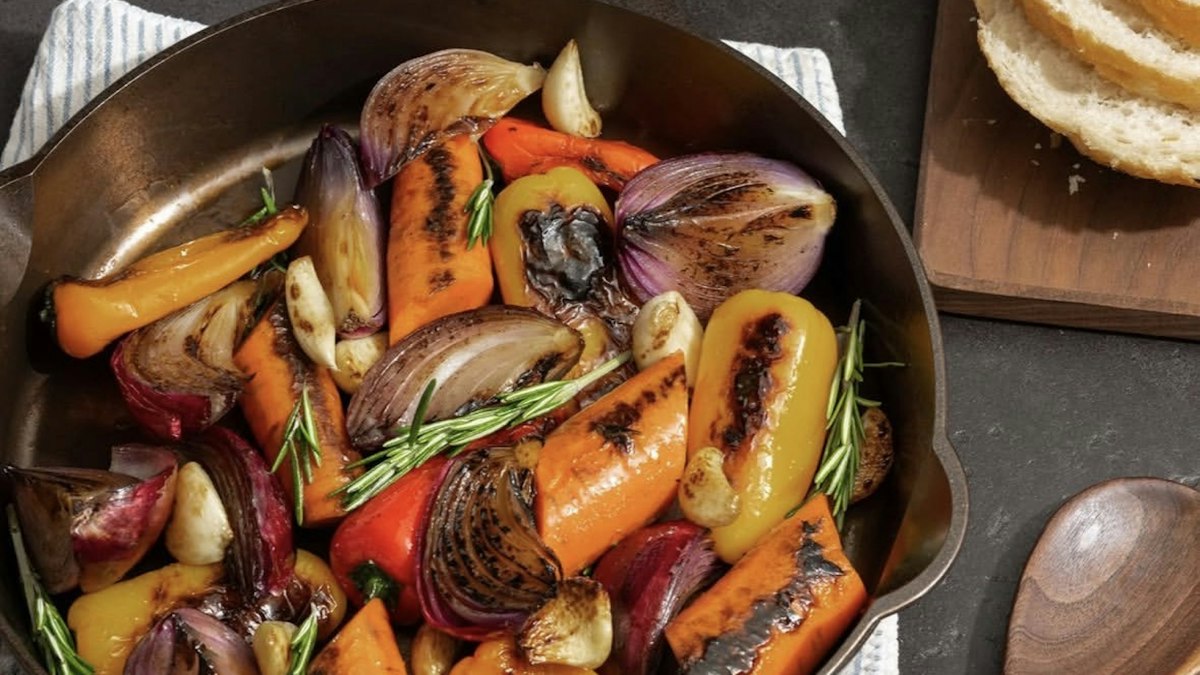
Mashed potatoes become crispy potato cakes; roasted vegetables become a hash topped with a fried egg; stuffing becomes the base of a savory bake. Leftovers stop feeling like leftovers the moment they change shape.
Dinner 3 (Sunday): The soup
Simmer the turkey carcass into stock, then add the last of the turkey, the odds and ends of your vegetables, and some noodles or rice. It clears the fridge in one pot, and the stock itself freezes beautifully for later.
If you get to Sunday with an odd assortment that doesn't fit any plan, that's a solvable puzzle too — here's a smarter way to cook from whatever's in your fridge.
PluckFresh Tip
Stuck staring at a shelf of mismatched containers? Snap your leftovers. NutriChef — PluckFresh's built-in AI chef — turns a photo of your ingredients into recipe ideas on the spot. Point your camera at the leftover turkey, the half-pan of roasted squash, and the last of the green beans, and get a dinner plan instead of a guilt trip.
Step 3: Send Food Home With Guests
Every host ends up with leftovers — and the easiest plan is to not keep them all. You cooked for 12; let 12 households help eat it.
- Buy containers before the holiday. A stack of inexpensive to-go containers (or clean, saved takeout tubs) by the kitchen counter makes send-homes effortless. Don't rely on guests bringing their own.
- Announce it, don't offer it. "We're packing everyone a plate for tomorrow" gets takers; "does anyone want leftovers?" gets polite refusals.
- Let guests build their own. People take what they'll actually eat — which is exactly the point.
- Pack it promptly. USDA food safety guidance says perishable food shouldn't sit at room temperature for more than 2 hours. Pack send-homes as you clear the table, not at midnight.
Step 4: What Freezes Well (and What Doesn't)
Whatever stays with you has a deadline: per the USDA, leftovers keep in the refrigerator for 3 to 4 days — so by the Sunday or Monday after Thanksgiving, anything you haven't eaten should move to the freezer. Frozen leftovers stay safe indefinitely, but they're at their best quality within 3 to 4 months, and reheated leftovers should reach 165°F.
Freezes well
- Turkey meat — pulled off the bone and frozen in meal-sized portions with a little stock or gravy to keep it moist.
- Stock and soup — freeze flat in bags or in portioned containers.
- Stuffing, mashed potatoes, and casseroles — sturdy cooked dishes hold up well; wrap tightly to prevent freezer burn (which the USDA notes is a quality issue, not a safety one).
- Cranberry sauce and pumpkin pie — both handle the freezer fine for later cravings.
Doesn't freeze well
- Mayonnaise-based dishes, cream sauces, and lettuce — the USDA specifically lists these as foods that simply don't freeze well. Emulsions like mayonnaise or cream can separate and look curdled after thawing.
- Fresh salads and raw high-water vegetables — eat these in the fridge window instead.
Pro Tip
Label every container with the contents and the date before it goes in the freezer. "Mystery bag, probably November" is how frozen leftovers become next year's freezer cleanout. Portion for real meals — two servings of turkey, one quart of soup — so thawing one dinner doesn't mean thawing all of them.
The Bottom Line
You don't need a smaller Thanksgiving to waste less — you need four decisions made before Thursday: a headcount-driven shopping list, three named leftover dinners, containers ready for send-homes, and a freezer plan for the rest. Leftovers are guaranteed; whether they become meals or trash is decided in the week before the holiday, not after it.
FAQ: Thanksgiving Food Waste and Leftovers
How much food is wasted at Thanksgiving each year?
ReFED, a nonprofit that tracks U.S. food waste, estimated in 2025 that about 320 million pounds of food — worth roughly $550 million — is wasted over Thanksgiving. That's the equivalent of about 267 million meals, and fresh produce accounts for roughly 23% of it, or about 75 million pounds.
How long are Thanksgiving leftovers safe in the refrigerator?
According to USDA food safety guidance, leftovers keep in the refrigerator for 3 to 4 days. Refrigerate everything within 2 hours of cooking, store it in shallow containers so it cools quickly, and reheat leftovers to 165°F. Anything you won't eat by the Sunday or Monday after Thanksgiving should go in the freezer.
What Thanksgiving foods don't freeze well?
The USDA lists mayonnaise, cream sauce, and lettuce as foods that simply don't freeze well — emulsions like mayonnaise or cream can separate and appear curdled after thawing. Sturdy cooked dishes like turkey, soup, stock, and casseroles freeze fine. Frozen leftovers stay safe indefinitely but are at their best quality within 3 to 4 months.
How much turkey should I buy per person?
University of Missouri Extension recommends 1 pound of whole turkey per person if you want leftovers, or about 3/4 pound per person if you don't. Counting your confirmed guests before you shop — instead of buying for a crowd that might show up — is one of the simplest ways to cut Thanksgiving food waste.
Turn Leftovers Into Dinner, Not Trash
Snap a photo of what's in your fridge and let NutriChef, PluckFresh's built-in AI chef, plan your post-Thanksgiving meals. Free for iOS.
Download PluckFresh