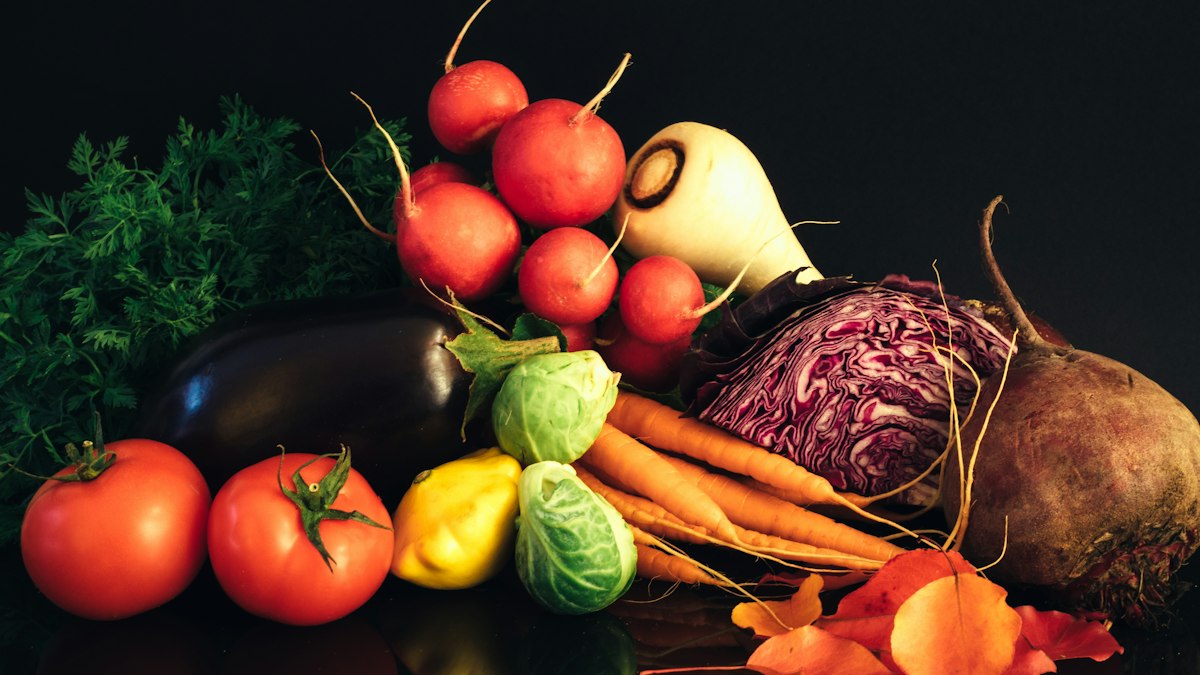
What can you make with what you have? Almost always: dinner. A half bag of spinach, two soft tomatoes, and an onion — the odds and ends in most fridges right now — is enough for a shakshuka, a one-pot pasta, or a quick chickpea curry, no shopping trip required. The trick isn't finding some magical recipe. It's learning to read your fridge the way a cook does: start with what's most perishable, add a pantry staple, and build from there.
Below: why good food gets forgotten, the rule that fixes it, three real dinners from that exact fridge, and how NutriChef AI — the AI chef built into the PluckFresh app — turns a photo of your ingredients into a recipe in seconds.
Why Good Food Gets Forgotten
Food waste at home is rarely about food that was bad when you bought it. It's about good food with no plan. The spinach was fine when it went in the crisper drawer. Then it slid behind the yogurt, out of sight, and by the time you remembered it, it was soup.
Fresh produce makes up 45.4% of all surplus food in the U.S. — the largest share of any food type — according to ReFED's 2026 U.S. Food Waste Report, and households are the single biggest source of that surplus, ahead of farms, restaurants, and grocery stores. The same report found that when households did cut waste in 2024, it was on visible, easy-to-manage items like milk — while harder-to-track foods like fresh fruit didn't see the same reductions.
In other words: we waste the food we can't see and haven't planned for. The fix isn't buying less produce. It's giving the produce you already have a job.
The Use-It-First Rule: Cook What Goes Bad Soonest
Professional kitchens live by first in, first out. The home-cook version is simpler — plan tonight's dinner around whatever will go bad first, and let sturdier ingredients wait their turn.
Most fridge contents fall into a rough perishability ladder:
- Use within 1–2 days: tender greens (spinach, arugula, spring mix), fresh herbs, berries, mushrooms, anything already cut.
- Use this week: ripe tomatoes, zucchini, cucumbers, broccoli, green beans, bell peppers.
- Can wait: carrots, celery, cabbage, kale, whole citrus.
- Weeks of runway: onions, garlic, potatoes, winter squash (these usually don't even need the fridge).
When you open the fridge asking "what do I feel like?", the fragile stuff loses every time — nobody craves wilting spinach. Ask "what needs to be used first?" and the same fridge looks like a menu. This shift is already happening: in a January 2026 survey by ReFED and YouGov, 87% of shoppers spending more on groceries said they now check what's at home before buying more, per Sustainable America's summary of the report.
PluckFresh Tip
Not sure how many days something actually has left? Scan it with PluckFresh's freshness scanner before you plan the week. Knowing the tomatoes have two days but the carrots have two weeks tells you exactly which dinner comes first.
Three Dinners From One Ordinary Fridge
Take that fridge — half a bag of spinach, two soft tomatoes, one onion — and add nothing but pantry staples. Three completely different dinners are hiding in it.
Dinner 1: Weeknight Shakshuka (needs: eggs, olive oil)
Soft tomatoes are a feature here, not a flaw — past their salad prime, they collapse into sauce beautifully. Sauté half the sliced onion in olive oil, add the chopped tomatoes with salt and warm spices (cumin, paprika, chili flakes), and simmer until saucy. Wilt in a couple of handfuls of spinach, crack 2–4 eggs into wells in the sauce, cover, and cook until the whites are set. Serve with toast.
Dinner 2: One-Pot Tomato & Spinach Pasta (needs: pasta, garlic, olive oil)
Cook the remaining onion and a clove of garlic in olive oil, add the second chopped tomato, and let it break down into a quick sauce while the pasta boils. Toss the drained pasta through the sauce with a splash of pasta water, then fold in spinach off the heat — residual warmth wilts it perfectly. Parmesan if you have it.
Dinner 3: 20-Minute Chickpea Curry (needs: a can of chickpeas, rice)
Onion, tomato, and spinach are the backbone of countless curries. Cook the onion until deeply golden, add the tomato and let it soften into a base, then stir in drained chickpeas, a splash of water, and curry powder or garam masala. Simmer ten minutes, wilt in the last of the spinach, and spoon over rice.
Notice the pattern: one fragile vegetable, one aromatic, one pantry staple — a formula that scales to almost any fridge. To set up a whole week at once, our guide to meal prep recipes that start with a freshness scan builds five make-ahead meals on the same use-it-first logic.
How NutriChef AI Does It: Photo → Ingredient List → Recipe
The hardest part of "use what you have" cooking is the blank-page moment: staring at random ingredients with no idea what they add up to. That's exactly the moment NutriChef AI was built for.
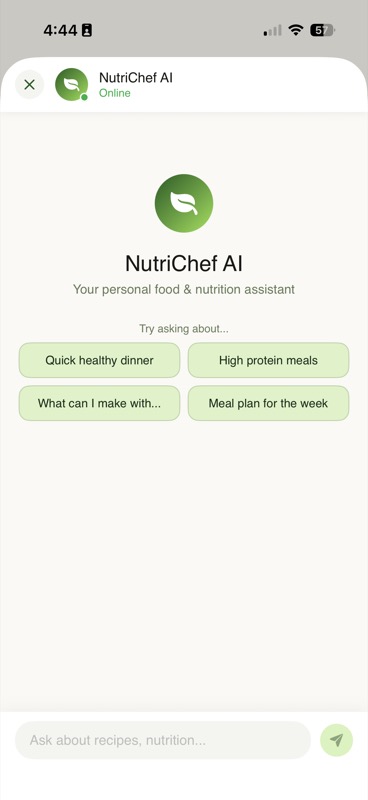
NutriChef AI is a chat-based food and nutrition assistant inside the PluckFresh app. Open a conversation and you'll see starter prompts like "What can I make with...", "Quick healthy dinner", and "Meal plan for the week". Here's the flow for a fridge like ours:
- Snap a photo. Photograph your fridge shelf or your ingredients on the counter, straight from the chat.
- Get an ingredient list. NutriChef identifies what it sees — spinach, tomatoes, onion — no typing required.
- Get recipes that fit. It suggests dishes built around those exact items — and you can push back: "make it vegetarian," "I don't have garlic," "under 30 minutes."
You can also just type. Ask what to do with two soft tomatoes, ask for a high-protein version, ask how much fiber the chickpea curry has — the same chat handles recipes and nutrition questions in one thread. It's the difference between a recipe site, which assumes you'll shop for its list, and a cook who works with yours.
Tips for a Fridge That's Easy to Cook From
A few habits make the "what can I make?" question much easier — and shrink your grocery bill:
- Create an "eat first" zone. One shelf or bin at eye level for anything with 1–2 days left. If it's visible, it gets eaten.
- Use clear containers. Opaque takeout boxes are where leftovers go to be forgotten.
- Photograph your fridge before shopping. Thirty seconds at the fridge door prevents buying a third bag of spinach — and gives NutriChef something to work with later.
- Keep a "formula pantry." Pasta, rice, eggs, canned beans, olive oil, one curry spice. With those on hand, nearly any vegetable becomes a meal.
- Prep the fragile stuff on day one. Wash greens and roast tomatoes headed downhill — cooked items buy extra days and become instant building blocks.
Bigger Picture
Homes are where most food waste happens — and using up what you buy is the most direct fix. For the full breakdown of where food gets lost and what works, read our guide on why Americans waste 30–40% of their food and how to stop.
FAQ: Cooking With What You Have
What can I make with what I have in my fridge?
Start with your most perishable items — leafy greens, soft tomatoes, fresh herbs — and build the meal around them with a pantry staple like pasta, rice, eggs, or canned beans. A few vegetables plus one staple is enough for a frittata, a one-pot pasta, a quick curry, or a soup. If you're stuck, snap a photo of your ingredients in the PluckFresh app and NutriChef AI will suggest recipes that use what you already have.
Are soft tomatoes still good to cook with?
Usually, yes. Tomatoes that have gone soft or wrinkled are past their salad prime but are often ideal for cooking — their concentrated flavor works well in sauces, shakshuka, curries, and soups. Discard tomatoes that show mold, are leaking liquid, or smell sour or fermented rather than tomatoey.
What order should I use up groceries in?
Follow the use-it-first rule: cook what goes bad soonest. Tender greens, berries, fresh herbs, and mushrooms go first; then ripe tomatoes, zucchini, and broccoli; then sturdy vegetables like carrots and cabbage. Onions, potatoes, and winter squash keep for weeks. Plan the first dinners after a grocery run around your most fragile items.
How does NutriChef AI in PluckFresh suggest recipes?
NutriChef AI is a chat-based food and nutrition assistant in the PluckFresh iOS app. Snap a photo of your ingredients or fridge, and it identifies what it sees and suggests recipes built around those items. You can also type questions — the chat opens with prompts like "What can I make with..." and "Quick healthy dinner" — and follow up about substitutions or nutrition in the same conversation.
Turn Your Fridge Into a Menu
Snap a photo of what you have and let NutriChef AI in PluckFresh suggest tonight's dinner. Free for iOS.
Download PluckFresh
